We discuss the need for electrification in rural areas, specifically Africa and the challenges utilities face when trying to deliver power to their communities to meet basic human needs.
Cras dapibus. Vivamus elementum semper nisi. Aenean vulputate eleifend tellus. Aenean leo ligula, porttitor eu, consequat vitae, eleifend ac, enim. Aliquam lorem ante, dapibus in, viverra quis, feugiat a, tellus. Phasellus viverra nulla ut metus varius laoreet. Quisque rutrum. Aenean imperdiet. Etiam ultricies nisi vel augue. Curabitur ullamcorper ultricies nisi. Nam eget dui. Etiam rhoncus. Maecenas tempus, tellus eget condimentum rhoncus, sem quam semper libero, sit amet adipiscing sem neque sed ipsum. Nam quam nunc, blandit vel, luctus pulvinar, hendrerit id, lorem. Maecenas nec odio et ante tincidunt tempus. Donec vitae sapien ut libero venenatis faucibus.
Etiam rhoncus. Maecenas tempus, tellus eget condimentum rhoncus, sem quam semper libero, sit amet adipiscing sem neque sed ipsum. Nam quam nunc, blandit vel, luctus pulvinar, hendrerit id, lorem
Author: mgorski
Understanding Electromagnetic Pulse Implications
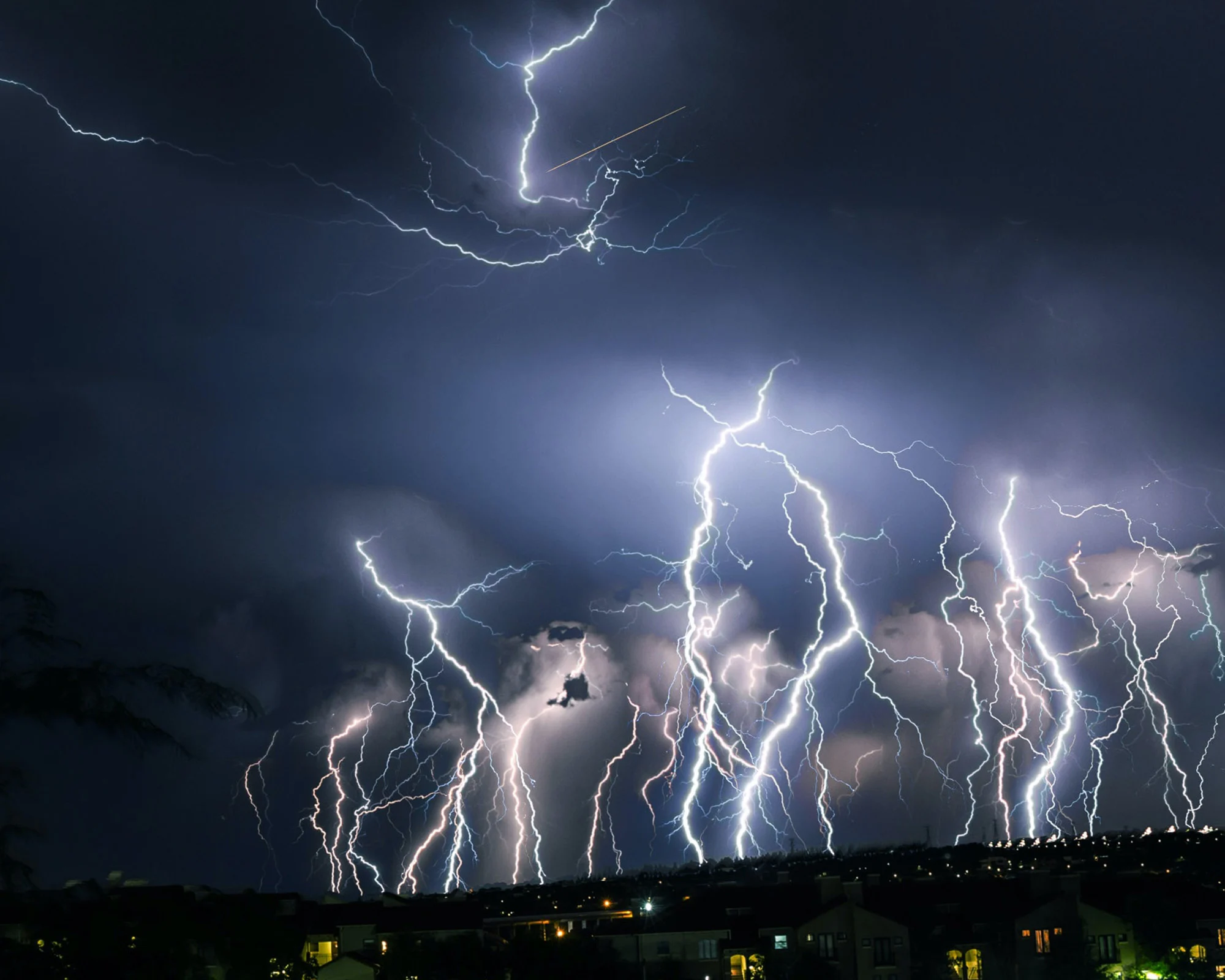
The threat of an electromagnetic pulse (EMP) is a matter that isn’t top of mind for most, but is critical in long-term protection and survival of modern electrical grid. So, what is an EMP? An EMP is “an intense burst of electromagnetic energy caused by an abrupt, rapid acceleration of charged particles, usually electrons.”[1] The causes of an EMP can be natural (i.e. a solar superstorm) or an act of warfare (i.e. a nuclear event or hydrogen bomb). In either case, the potential for an EMP to take out the electrical grid over a large geography is huge—and potentially catastrophic.
The threat to the electrical grid is real. Solar superstorms happen every 100-150 years and it’s only a matter of time before one hits earth again. On the other hand, the threat of a nuclear EMP is in line with our fragile society where we rely on electricity for absolutely everything. Rogue nations could use an EMP attack to collapse domestic infrastructure. Such an attack would result in critical infrastructure being negatively affected (i.e. communications, banking, transportation, food, water, etc.); our 100+ reactors would not be kept cool; water would stop immediately; and the food supply is inadequate. In essence, an EMP event, either natural or as an act of warfare, would cause the north American electric grid to black-out for a year—during which time 90% of the population could die from starvation and disease.
Protecting North American’s electrical grid against the most devastating consequences of an EMP disruption or attack is simple and would require, at its most basic, a minimal amount of resources. According to Anthony Furey, “As little as 8 cents per month (less than $1 per year) charged to each residential electricity consumer over the course of five years could be enough to provide the basic national safeguards for our electric grid.”[2] Those protections include switching copper cables to fiber optic[3] and installing items like faraday cages, surge arrestors, blocking devices and space-based interceptors.
Of course, the decision to harden the entire electrical grid against the threat of an EMP is a complicated one involving many levels of support. So, in the meantime, we are considering the appropriate measures to ensure the Delta Smart Grid Network™ is as prepared as it can be for any EMP events.
La Vie avec le Délestage
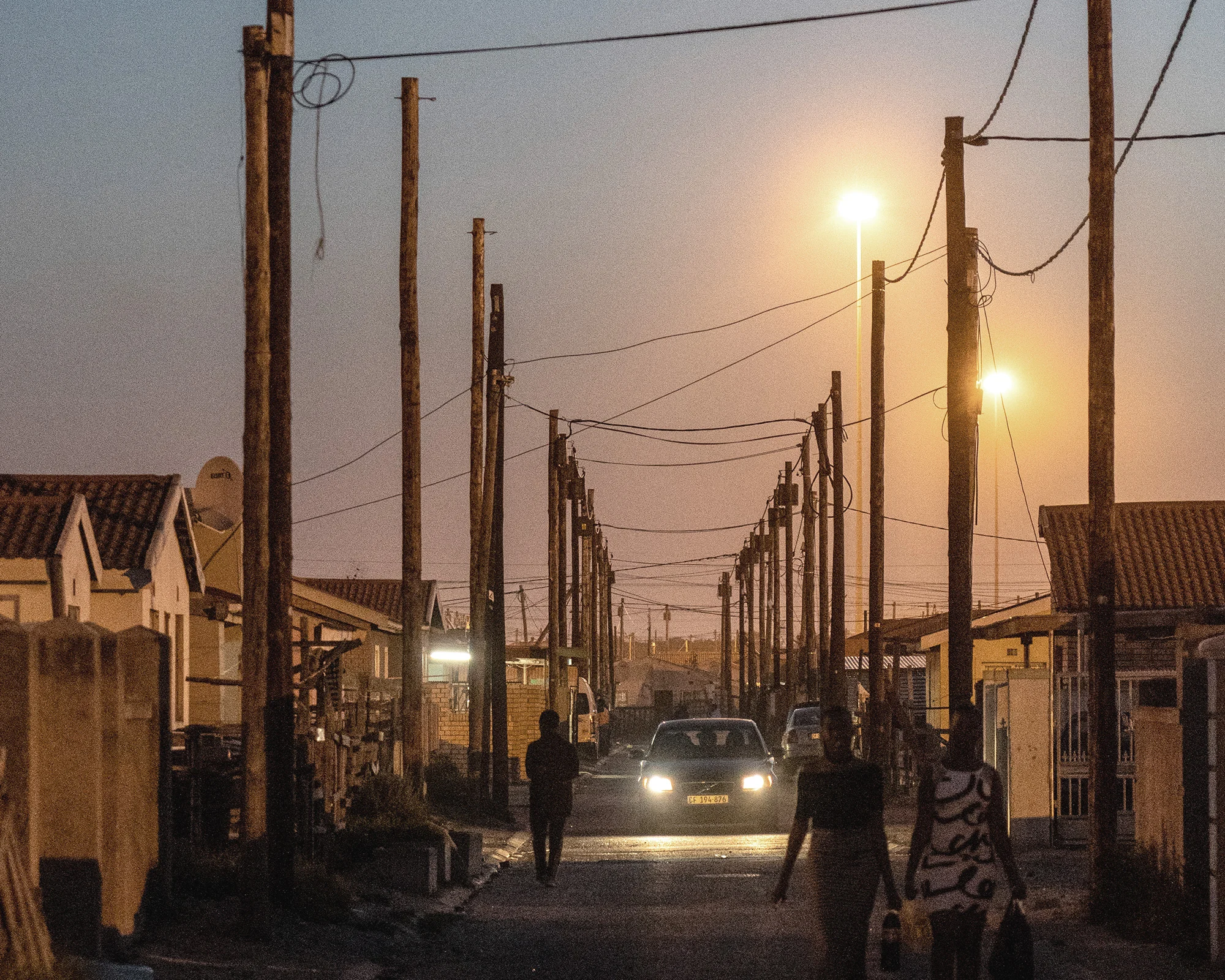
Le délestage est une préoccupation majeure pour beaucoup d'entre nous ici en Afrique du Sud, mais beaucoup à travers le monde ne réalisent peut-être pas l'impact qu'il peut avoir sur la vie quotidienne. Voici donc un aperçu de ce qu'est la vie avec le délestage. Tout d'abord, il est important de comprendre ce qu'est le délestage. C'est une action visant à réduire la charge sur quelque chose, dans ce cas précis, je parle de réduire la demande sur une alimentation électrique afin d'éviter une charge excessive sur la centrale de production. Généralement réservé comme solution de dernier recours, le délestage peut aider à prévenir une panne générale du système et permet aux utilisateurs concernés de planifier en conséquence au lieu d'être surpris par une panne à un moment inconnu pour une durée inconnue. L'« action » ici consiste pour le service public d'électricité à couper volontairement une partie du réseau électrique afin de permettre aux autres parties de rester stables. Voici comment cela fonctionne dans ma vie :
- Lorsque le délestage est nécessaire, je reçois généralement un programme environ une semaine à l'avance. Ce programme fournit des informations similaires à ce qui suit :
- Lundi : de 08h00 à 10h00 et de nouveau de 23h00 à 01h00 (Mar.)
- Mardi : de 12h00 à 14h00 et de nouveau de 19h00 à 21h00
- Mercredi : aucun
- Jeudi : de 02h00 à 06h00
- Vendredi : aucun
- Samedi : de 09h00 à 11h00 et de nouveau de 16h00 à 18h00
- Dimanche : de 19h00 à 23h00
- Cela signifie que je dois planifier mes journées pour m'adapter aux moments où je n'aurai pas d'électricité à la maison. Voici quelques-unes des tactiques que j'utilise pour y parvenir :
- M'assurer que mon téléphone portable et mon ordinateur portable sont complètement chargés avant un délestage programmé.
- Minimiser le nombre de fois où j'ouvre mon réfrigérateur et mon congélateur pour éviter toute perte de nourriture.
- Prendre des dispositions pour être chez un ami ou un membre de la famille en dehors de la zone de délestage.
- Planifier les rendez-vous professionnels et les appels téléphoniques en dehors de la fenêtre de délestage.
- Avoir des bougies, une lampe de poche et/ou une lanterne (et une réserve suffisante de piles si nécessaire) à portée de main pour les délestages nocturnes.
Why “Resource Adequacy” is the New Utility Mantra
For the past decade, electricity load growth was largely flat. Today, utilities nationwide are scrambling to meet an exponential surge in demand driven by AI data centers and a manufacturing renaissance. Almost overnight, the collective industry mantra has shifted from “net zero by 2025” to a much more urgent rallying cry: “resource adequacy by 2028.”
The pressure is backed by startling data. According to a recent analysis by Climate Home News, the skyrocketing energy needs of AI models, which require significantly more power per query than a standard search are forcing a global reckoning. While the energy transition once focused on decarbonizing a stable load, utilities must now figure out how to maximize the grid while it is rapidly expanding.
What’s also changed is the coalition of experts sounding the alarm. Energy conferences these days are packed with utility operations leaders sharing the stage with tech giants like Microsoft and Google. Their shared challenge? Figuring out how to interconnect these massive, power-hungry data centers without triggering grid instability. In this new era of resource adequacy, physical infrastructure alone is not able to scale fast enough. The solution increasingly lies in Grid Enhancing Technologies (GETs)—software, sensors, and dynamic platforms that unlock hidden capacity on the lines we already have.
If you are navigating this wave of load growth, here are three strategies to get the maximum capacity out of your existing grid:
- Simplify Fragmented Systems. The modern grid is often a patchwork of disconnected SCADA systems, legacy software, and siloed sensor data. To handle the complexity of massive data center loads, utilities must centralize this data into a single, cohesive view.
- Leverage the Infrastructure You Have. Building new transmission lines can take a decade or more—time that AI and tech giants simply do not have. Instead, utilities must use dynamic software and advanced sensors to push more power safely through existing corridors.
- At Delta, we streamline complex hardware and software integrations to drive operational efficiency, allowing utilities to modernize their infrastructure while maintaining rate stability for their customers.
- Secure Your Operations. As the grid becomes more connected and reliant on cloud-based analytics, the attack surface expands. Adding capacity cannot come at the expense of cybersecurity or NERC CIP compliance.
- Utility-approved, encrypted, and patented cloud-based architecture ensures the highest levels of data integrity. With Delta, utilities gain a communicative ecosystem that is as secure as it is intelligent.
Big Data’s Emphasis on Value Over Volume
The phrase “big data” has been around for some time, however the concept continues to evolve. Big data first meant collecting and analyzing large data sets that are too complex to be dealt with by traditional data-processing software, with a focus on the volume, variety and velocity of the data. Now, we include the veracity and value of the data—and the emphasis has shifted to prioritize value. In today’s landscape where big data refers to predictive analytics, user behavior analytics or other advanced analytical methods, the size of the data set is no longer the defining characteristic, rather it’s the value that is most important. After all, what good is having all of this data if you can’t actually do anything with the findings?
From a smart city perspective, the data afforded by advanced metering infrastructure set up by the electrical utility can increase operational efficiency, advance monitoring and management of the grid, and improve customer experience. If the smart grid solution offers a full communications backbone as well, like our Delta Smart Grid Network™ (DSGN™), more data can be captured by Internet of Things devices connected to the network (check out April’s blog post for more on IoT).
Furthermore, to extract more value, advances in big data are being incorporated into artificial intelligence (AI) and machine learning. While similar, the two are different:
- AI is the creation of machines that learn from their environment and can problem-solve based on that, and
- machine learning is a sub-set of AI where the machine can use the lessons to improve itself without being explicitly programmed to do so.
Life With Load Shedding
Load shedding has been top of mind for many of us here in South Africa, but many around the world may not realize the impact it can have on daily life. So here is some insight into what life is like with load shedding.
First, it’s important to understand what load shedding is. It’s an action to reduce the load on something, in this case I’m referring specifically to reducing the demand on an electrical supply in order to avoid excessive load on the generating plant. Usually reserved for a last resort solution, the act of load shedding can help prevent a system-wide blackout and allows for users affected in the shed to plan accordingly instead of being surprised by a blackout at an unknown time for an unknown duration. The “action” here is when the electrical utility purposely turns off part of the electrical grid in order to allow the other parts to remain stable.
Here’s how it works in my life:
- When load shedding is required, I typically receive a schedule about a week in advance. That schedule will provide information similar to the following:
- Monday: from 08:00 to 10:00 and again from 23:00 to 01:00 (Tues.)
- Tuesday: from 12:00 to 14:00 and again from 19:00 to 21:00
- Wednesday: none
- Thursday: from 02:00 to 06:00
- Friday: none
- Saturday: from 09:00 to 11:00 and again from 16:00 to 18:00
- Sunday: from 19:00 to 23:00
- This means that I need to plan my days to accommodate the times when I won’t have electricity at home. Some of the tactics I use to achieve this include the following:
- Ensure that my cell phone and laptop computer are fully charged prior to a scheduled shed.
- Minimizing the number of times I open my refrigerator and freezer to ensure no loss of food supply.
- Making arrangements to be at a friend or family member’s house outside of the load shedding zone.
- Scheduling work appointments and phone calls outside of the shedding window.
- Having candles, a flashlight and/or a lantern (and sufficient supply of batteries if necessary) on hand for when load shedding happens at night.
Smart City Executions Need Centralized Infrastructure

The global trend toward smart cities continues to rise. The benefits of incorporating the Internet of Things (IoT) into city-wide infrastructure are widely agreed. The best path to converting a city into a smart city though, is more variable. Solution providers presenting different strategies, approaches and techniques vie for the attention of city decision-makers. One thing they all have in common, is the importance of city-wide network to support the IoT devices that make a city smarter.
Only with a singular, scalable network that is not bandwidth limited to form the backbone, will a smart city execution truly yield its highest potential. Being able to use different types of electronic data collection sensors to supply information then used to manage assets and resources efficiently is critical. With a singular network, like the Delta Smart Grid Network, it’s possible.
Delta’s solution taps the same strategy as today’s smart phones which innovatively joined multiple purposeful products into one exceptionally capable device—it converges smart grid infrastructure, Wi-Fi mesh networking and consumer-facing digital devices into a singular, standardized and centralized smart city network solution. This resulting network becomes the communications infrastructure by which all IoT smart city devices can connect. Thus, opening the door for an efficient and effective smart city solution.
Boosting Resiliency for Smart Grids
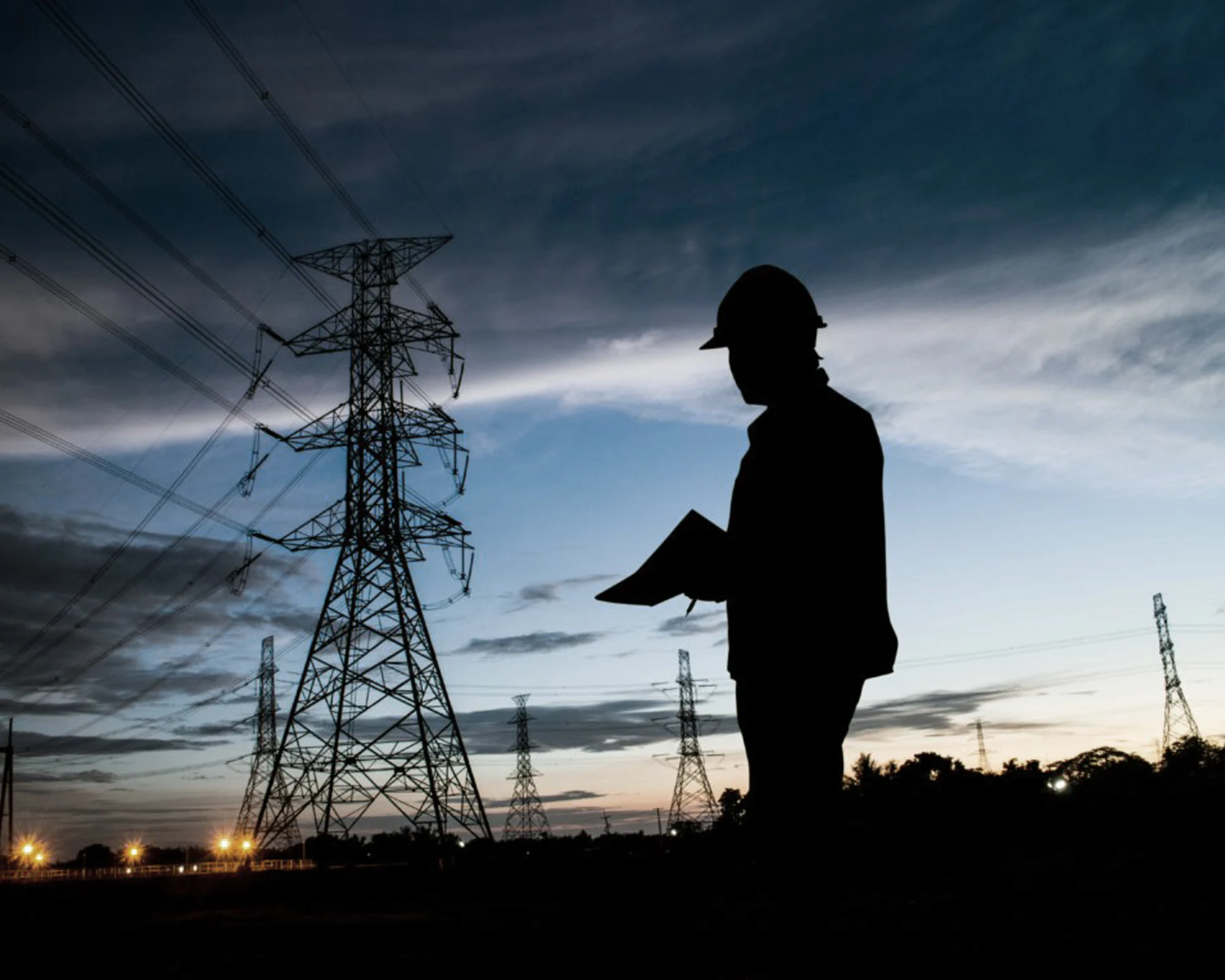
In this rapidly changing, modern day digital landscape, ensuring the full reliability and resiliency of the smart grid is a growing challenge. How do we ensure the system will be able to “bounce back” and recover effectively from an outage? The explosion of the Internet of Things (IoT) introduced a wide variety of smart devices and products to bring increased connectivity. Couple this with outdated infrastructure, and the vulnerability of the grid to potential outages and malicious attacks has increased.
We saw that resiliency challenge manifest in the recent wake of Hurricane Harvey in Houston, Hurricane Maria in Puerto Rico, and even after Superstorm Sandy back in 2012, where millions of people were without power for days. In the case of Puerto Rico, more than 450,000 still remain without power, now four months after the storm hit. These types of outages are coming at a steep price – a 2013 U.S. Department of Energy study found that power outages caused by extreme weather had an average economy-wide cost of $18-$33 billion from 2003-2012. Consider this along with the growing concern for grid cybersecurity—with the U.S. Energy Department indicating that the electricity system “faces imminent danger” from cyber-attacks—and it’s no surprise that resilience of the grid should be a top priority for utilities.
To maximize the full capability of the smart grid, investments need to be made in more resilient infrastructure and technology solutions to strengthen the grid’s resiliency against unplanned events, from weather to security. A critical piece of this is in considering innovative technology solutions that can evaluate real-time performance and provide the information needed to act proactively, efficiently and effectively in the event of a problem.
For example, our Delta Smart Grid Network (DSGN™), brings real-time data capability and active IoT device integration wherever there is electricity. The network can provide utilities with actionable data and visibility into their systems and how those systems are operating through the use of our cloud-based analytics platform.
This infrastructure will enable utilities to more easily identify issues for immediate action, whether those stem from natural disasters, cyberattacks or other issues. For example, if there is a reported outage, a utility can quickly identify the location of the problem, which is typically a time-intensive, manual effort. In providing this increased visibility, utilities are empowered and the resiliency of the grid, in turn, is improved.
Another solution to boosting grid resiliency could be found in considering distributed energy, energy storage and microgrids. In one example from Hurricane Harvey, more than a dozen Houston H-E-B stores were able to keep their lights and resources on for their respective communities due to having natural-gas powered microgrids in place.
Comprensión de las implicaciones del pulso electromagnético
La amenaza de un pulso electromagnético (EMP) no suele estar en la mente de la mayoría, pero es crítica para la protección y supervivencia a largo plazo de la red eléctrica moderna. Entonces, ¿qué es un EMP? Un EMP es “una ráfaga intensa de energía electromagnética causada por una aceleración abrupta y rápida de partículas cargadas, generalmente electrones.”[1] Las causas de un EMP pueden ser naturales (por ejemplo, una supertormenta solar) o un acto de guerra (por ejemplo, un evento nuclear o una bomba de hidrógeno). En cualquiera de los dos casos, el potencial de un EMP para dejar fuera de servicio la red eléctrica en un área geográfica extensa es enorme—y potencialmente catastrófico.
La amenaza para la red eléctrica es real. Las supertormentas solares ocurren cada 100-150 años y es solo cuestión de tiempo antes de que una impacte nuevamente la Tierra. Por otro lado, la amenaza de un EMP nuclear está en consonancia con nuestra sociedad frágil, donde dependemos de la electricidad para absolutamente todo. Naciones rebeldes podrían utilizar un ataque EMP para colapsar la infraestructura doméstica. Un ataque de este tipo afectaría negativamente a infraestructuras críticas (comunicaciones, banca, transporte, alimentos, agua, etc.); nuestros más de 100 reactores no podrían mantenerse refrigerados; el suministro de agua se detendría de inmediato; y la provisión de alimentos sería insuficiente. En esencia, un evento EMP, ya sea natural o como acto de guerra, provocaría un apagón de la red eléctrica norteamericana durante un año, periodo en el cual hasta el 90 % de la población podría morir de hambre y enfermedades.
Proteger la red eléctrica de Norteamérica contra las consecuencias más devastadoras de una interrupción o ataque EMP es relativamente sencillo y requeriría, en su forma más básica, una cantidad mínima de recursos. Según Anthony Furey, “tan solo 8 centavos por mes (menos de 1 dólar por año) cobrados a cada consumidor residencial de electricidad durante un período de cinco años podrían ser suficientes para proporcionar las salvaguardias nacionales básicas para nuestra red eléctrica.”[2] Estas protecciones incluyen sustituir cables de cobre por fibra óptica[3] e instalar elementos como jaulas de Faraday, pararrayos, dispositivos de bloqueo e interceptores espaciales.
Por supuesto, la decisión de reforzar toda la red eléctrica contra la amenaza de un EMP es compleja e involucra múltiples niveles de apoyo. Mientras tanto, estamos evaluando las medidas adecuadas para garantizar que la Delta Smart Grid Network™ esté lo más preparada posible ante cualquier evento EMP.
Aumento de la resiliencia para las redes eléctricas inteligentes
En este panorama digital moderno y en constante cambio, garantizar la plena fiabilidad y resiliencia de la red eléctrica inteligente se ha convertido en un desafío creciente. ¿Cómo asegurarnos de que el sistema pueda “recuperarse” y volver a funcionar eficazmente tras una interrupción? La expansión del Internet de las Cosas (IoT) ha introducido una amplia variedad de dispositivos y productos inteligentes que aumentan la conectividad. Sin embargo, combinada con infraestructuras obsoletas, esta situación ha incrementado la vulnerabilidad de la red frente a apagones y ataques maliciosos.
Hemos visto este reto de resiliencia manifestarse recientemente tras el huracán Harvey en Houston, el huracán María en Puerto Rico e incluso después de la supertormenta Sandy en 2012, donde millones de personas estuvieron sin electricidad durante días. En el caso de Puerto Rico, más de 450.000 residentes seguían sin electricidad cuatro meses después del impacto de la tormenta. Este tipo de apagones tiene un precio muy alto: un estudio del Departamento de Energía de EE. UU. de 2013 reveló que los cortes de energía provocados por fenómenos meteorológicos extremos generaron un coste promedio de entre 18 y 33 mil millones de dólares para toda la economía entre 2003 y 2012. A esto se suma la creciente preocupación por la ciberseguridad de la red —con el Departamento de Energía de EE. UU. advirtiendo que el sistema eléctrico “enfrenta un peligro inminente” de ciberataques—, por lo que no sorprende que la resiliencia de la red deba ser una prioridad máxima para las empresas de servicios públicos.
Para aprovechar al máximo las capacidades de la red inteligente, es necesario invertir en infraestructuras más resilientes y en soluciones tecnológicas que fortalezcan la red frente a eventos imprevistos, desde condiciones meteorológicas hasta incidentes de seguridad. Una pieza clave consiste en considerar soluciones tecnológicas innovadoras capaces de evaluar el rendimiento en tiempo real y proporcionar la información necesaria para actuar de forma proactiva, eficiente y eficaz en caso de un problema.
Por ejemplo, nuestra Delta Smart Grid Network (DSGN™) aporta capacidad de datos en tiempo real e integración activa de dispositivos IoT allí donde haya electricidad. La red puede ofrecer a las compañías eléctricas datos procesables y visibilidad de sus sistemas, así como de su funcionamiento, mediante el uso de nuestra plataforma de análisis en la nube.
Esta infraestructura permitirá a las empresas de energía identificar problemas con mayor facilidad para actuar de inmediato, ya provengan de desastres naturales, ciberataques u otros incidentes. Por ejemplo, si se informa de un corte, la compañía podrá localizar rápidamente el origen del problema, lo que normalmente supone un proceso manual que consume mucho tiempo. Gracias a esta mayor visibilidad, las compañías eléctricas se ven fortalecidas y, en consecuencia, mejora la resiliencia de la red.
Otra vía para aumentar la resiliencia de la red consiste en considerar las energías distribuidas, el almacenamiento de energía y las microredes. Un ejemplo de ello ocurrió durante el huracán Harvey, cuando más de una docena de tiendas H-E-B en Houston pudieron mantener encendidas sus luces y continuar prestando servicio a sus comunidades gracias a tener microredes alimentadas por gas natural.
